People
Principal investigators
Professor Rachel Tribe
 Rachel Tribe is Professor of Maternal and Perinatal Health at King’s College London. She trained as a physiologist at the University of Sheffield and gained a PhD from the University of London, and was an American Heart Association Postdoctoral Fellow at the University of Maryland at Baltimore, USA. Professor Tribe now leads a multidisciplinary research group in the Dept. of Women and Children’s Health, KCL.
Her research focuses on translational research related to preterm birth and other pregnancy associated conditions. Specific interests include uterine ion channel physiology, female reproductive tract innate immune system and interactions with the microbiome in pregnancy, and identification of biomarkers for prediction of preterm birth. Professor Tribe collaborates with colleagues in the UK, USA, Australia, Canada, Kenya, The Gambia, Mozambique and India. She has a global health portfolio of studies to understand preterm birth phenotypes and prediction in different settings, leading the PRECISE Spontaneous Preterm Birth Study and is a Co-I on the PRECISE Network.
Through funding from Borne Foundation, she started working with Prof. Mark Johnson’s research group at Chelsea and Westminster Hospital, Imperial College, and now leads the BUMP Feasibility Study, a joint project mapping the myometrial-decidual interface (single cell/nucleus RNA-seq and proteomics) to understand the cellular interactions instigating term and preterm labour onset. She also leads the INSIGHT-2 study, a pregnancy-child cohort which follows infants to two years and thereafter through data linkage to the age 16. INSIGHT-1, the prior cohort of 2000+ women, followed pregnancies to delivery and neonates to discharge, and has created a valuable biological and clinical database. In 2024, she was awarded the Royal College of Obstetrics and Gynaecology ad eudenum Fellowship, a lifetime honour for her contributions to Women’s Health.
Professor Mark Johnson
 Professor Mark Johnson is the Clinical Chair in Obstetrics at Imperial College, and a Consultant Obstetrician and Head of R&D at the Chelsea and Westminster Hospital.
He began his research early in his career. His PhD, supported by The William’s Fellowship from the University of London, defined the role of relaxin in human pregnancy and was awarded in 1995. Clinically, Mark initially trained in general medicine, endocrinology and diabetes, specialising in reproductive endocrinology. He set up the highly successful IVF unit in Chelsea and Westminster Hospital. He later trained in Obstetrics and Gynaecology, becoming the only dually accredited Consultant in General Medicine and Obstetrics and Gynaecology in the UK, following which he became the Professor in Clinical Obstetrics at Imperial College in 2010.
Borne was a research appeal at the Chelsea & Westminster Hospital charity initiated by Mark in 2013 to support translational research that advances our understanding of pregnancy and identifies solutions to prevent or delay the onset of preterm labour. It became an independent medical research charity in 2016.
Professor Michael Taggart
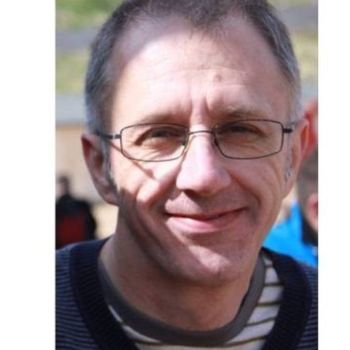 Professor Taggart’s research focus has been on elucidating the molecular, cellular, tissue and organ remodelling events that occur in the mother and fetus during pregnancy and the impact these have for post-natal life to adulthood. The regulation of these adaptations is crucial for the mother to support the growing embryo/fetus and ensure a successful pregnancy outcome. This is important because common complications of pregnancy such as preterm birth can result in very serious immediate or lifelong health issues for the mother and any surviving babies. This work has encompassed multidisciplinary approaches including: the use of animal models of preterm birth (e.g. guinea pigs) and uterine, placental and vascular biopsies from pregnant women; the use of single cell and single nuclear RNA sequencing; data independent acquisition proteomics; cell and tissue physiological assessments and computational modelling of uterine electrogenesis; and the use of cell-penetrating peptides as a tool for anti-inflammatory actions. Professor Taggart currently holds the following positions: Emeritus Professor, Newcastle University; Professor (part-time), Research Centre for Intelligent Healthcare, Coventry University; Chief Scientific Advisor (part-time), Borne Foundation.
Dr Mario Falchi
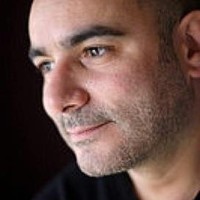 Mario is a Reader in Computational Medicine at King’s College London, and Head of Bioinformatics for the School of Life Course & Population Sciences. His interests lie in the development and application of statistical and computational genomics methods to disentangle the network of susceptibility factors – and their interactions – that lead to complex disease in humans, with a particular focus on metabolism, skin cancer, and renal diseases.
Recently his team has been focusing on leveraging next generation sequencing technologies to assess the influence of rare and structural variants on complex traits, and on characterisation of the microbiome using metagenomics data to investigate the interplay between the gut microbiota and host metabolism.
Dr Victoria Male
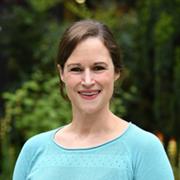
Victoria is an Associate Professor in Reproductive Immunology based in the Department of Metabolism, Digestion and Reproduction at Imperial College London.
She was was appointed as a Lecturer in Reproductive Immunology in 2021, then Senior Lecturer in 2022 and Associate Professor in 2025. Her research group is interested in how innate immune cells in the human uterus are involved in the physiological processes of pregnancy, particularly placental implantation and parturition. During the pandemic, she was involved in collating and communicating information on the effect of SARS-CoV2 infection and COVID vaccination on fertility, pregnancy and breastfeeding, and in research on how COVID vaccination affects the menstrual cycle.
Research staff and students
Dr Pei Lai
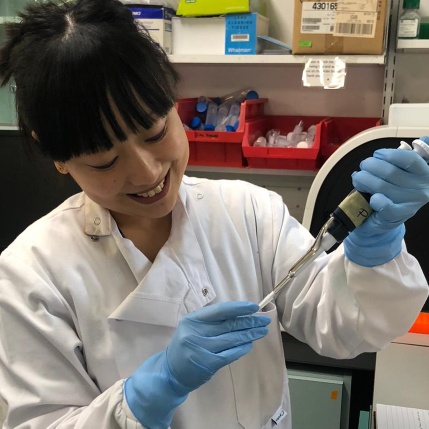 Pei Lai is a postdoctoral research associate (PDRA) based at the Chelsea & Westminster Hospital campus of Imperial College London. Her expertise is in the study of myometrial smooth muscle within the context of parturition. For BUMP, she has been responsible for undertaking all laboratory work involved in the acquisition and processing of myometrial and decidual tissue samples for single cell RNA-seq, single nucleus RNA-seq, and spatial transcriptomics. Her myometrium-based research previously focused on examining how alterations made to cyclic AMP and progesterone signalling can modulate myometrial contractility at tissue level, which was funded by Action Medical Research and Borne.
Before specialising in reproductive biology, Pei was a research assistant at St. George’s University of London for a Wellcome Trust Seeding Drug Discovery Initiative (SDDI) project that focused on developing a novel asthma treatment, which involved collaborative work between cell/molecular biologists and medicinal chemists across academia and industry. She earned her PhD from the University of Birmingham, funded by a Biotechnology and Biological Sciences Research Council (BBSRC) studentship, where she focused on the study of secretory calcium ATPase (SPCA) and regucalcin as components of calcium (second messenger) signalling. She also holds a BSc in Biochemistry from the University of Birmingham, where she was a recipient of the John Avins Scholarship.
Dr Alessia Visconti
 Alessia Visconti is an assistant professor (tenure track) at the Department of Clinical and Biological Sciences, University of Turin, Italy.
Previously, she has been a research fellow at the Department of Twin Research & Genetic Epidemiology, King’s College London, a research associate at the Department of Genomics of Common Disease, School of Public Health, Imperial College London, and a postdoctoral fellow at the Department of Computer Science, University of Turin, Italy.
Dr Florence Burté
Dr Pedro Victori
 Pedro Victori is a Research Fellow working on the bioinformatics side of the BUMP project at King’s College London. Before taking on this role, he was a Research Fellow at University College London, working on computational modelling of triple-negative breast cancer. He holds a DPhil from the University of Oxford, where he worked on a mixed wet lab/computational study of EGFR targeted therapy for TNBC. His interests lie on the leveraging of bioinformatics analysis and multimodal data integration to improve our mechanistic understanding of physiology and disease, and deliver precision medicine tools to improve patient care.
Collaborators
Dr Nik Matthews
 Nik is the head of the Imperial BRC Genomics Facility. He is a genomicist who has been working in this field for well over 20 years. He initially worked in industry before going back to academia for a further 22 years – starting at Sanger as a part of the Human Genome Project, then CRUK both in Cambridge and London, the Crick institute, ICR to update and future proof their genomics group and now Imperial.